
The Growing Trend of Mothers Exiting the Workforce
Federal data reveals a significant shift in the workforce, with many mothers of young children opting to leave their jobs. This trend is driven by a combination of rising daycare costs and a decrease in remote work flexibility, creating a challenging environment for working mothers.
A Personal Story: China Simon's Decision
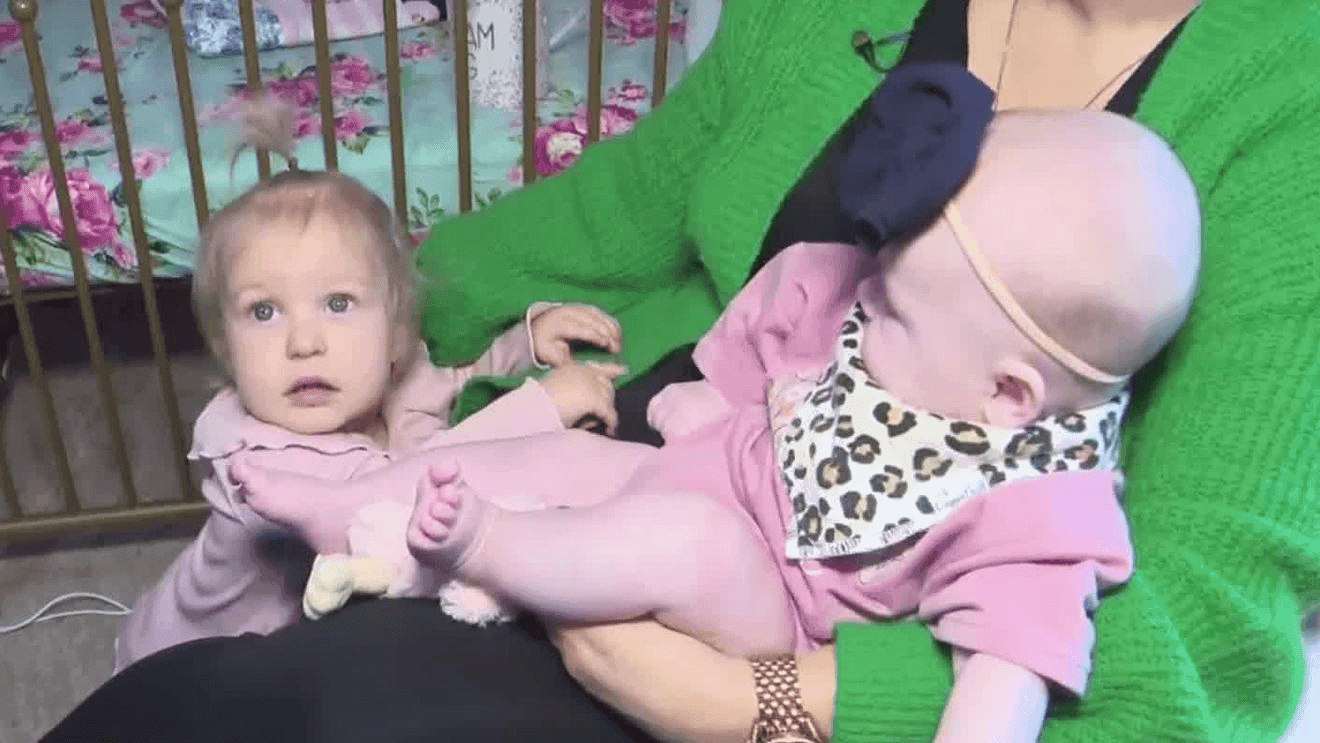
China Simon, a mother of five from Little Rock, Arkansas, recently left her full-time accounting position to stay home with her children. She shared her struggle: "It's so hard to balance wanting to work and have that career and wanting to be home with them." Simon, who never envisioned herself as a stay-at-home mom, admitted, "I never wanted to stay home. And said I was never going to be a stay-at-home mother like literally said all the time, I would never do that, and here I am."
The Economic Perspective
Dr. Jeremy Horpedahl, an associate professor of economics at the University of Central Arkansas, highlighted that approximately 200,000 women left the workforce in 2025. He attributes this exodus to the dual pressures of escalating childcare expenses and reduced remote work opportunities. Horpedahl explained, "I think now we're getting to a point where a lot of employers are asking people to come back, which means that that flexibility maybe is going to affect women more than it would men."
Historical Context and Future Implications
Historically, more women are in the workforce now than ever before. In the late 1960s, only 25% of mothers with young children were working, compared to over 60% today. However, if the current trend continues, it could have significant economic repercussions. Horpedahl warned, "If women are choosing to leave the labor force because the jobs don't work for their work-life balance, I think that that will be harmful for everyone, and will lead to our economy not growing as fast, there being less innovation, but also just fewer opportunities for women."
The Emotional Toll on Mothers
Simon expressed understanding for other mothers making similar decisions, citing the emotional burden: "I'm not surprised that there's a lot of people that are doing it, because the guilt kills you. I mean, it is unreal, and how guilty I felt just leaving them, missing out on big kids stuff, and even being late to a game, I felt so guilty for that." While she hopes to return to the office eventually, her focus remains on her family for now.
Current Workforce Statistics
Despite these shifts, Dr. Horpedahl noted that the unemployment rate remains steady for both men and women, hovering just above 4%.


Comments
No comments yet
Be the first to share your thoughts and start the conversation!