Will Cities Revive as Amazon Pushes Employees Back to the Office? Insights from Urban Planning Expert
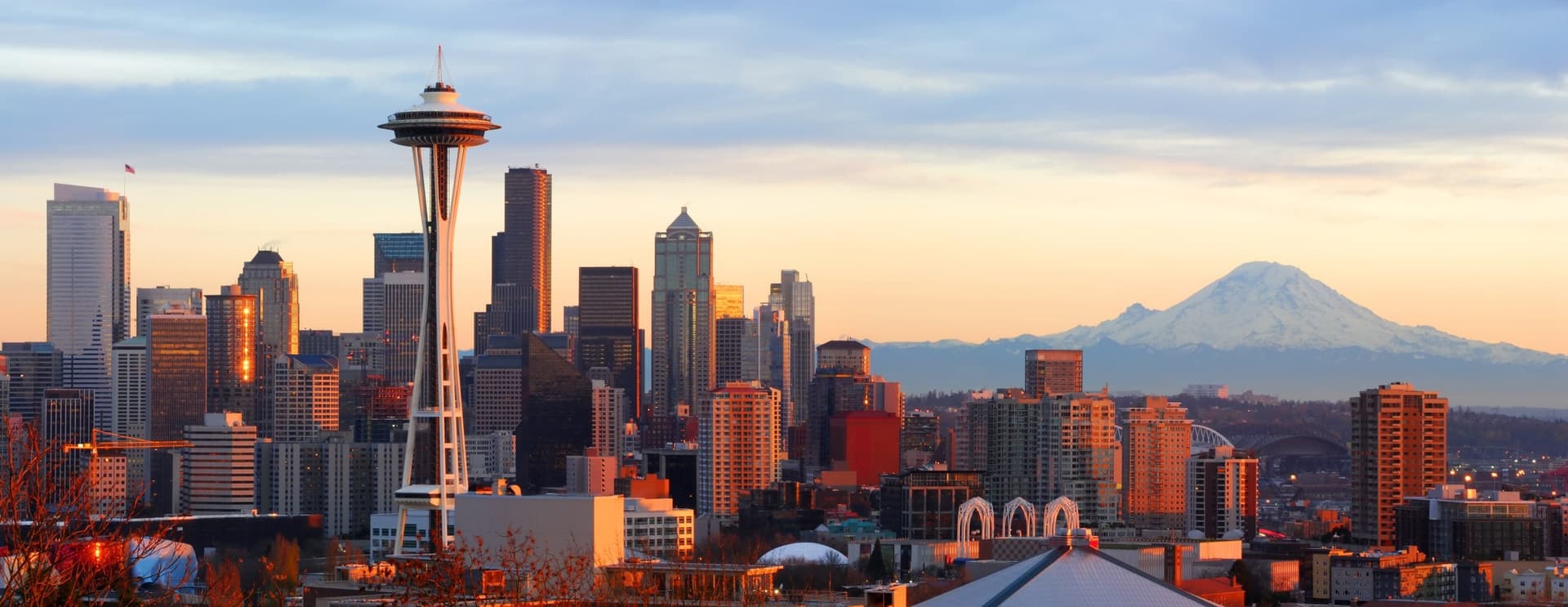
In September, Amazon mandated its employees to return to the office five days a week, marking a significant shift after years of remote and hybrid work. This decision reflects the challenges cities face with empty office spaces, leading to decreased foot traffic and economic activity in once vibrant downtown areas.
 Uwe Brandes is a professor of the practice and faculty director of the Urban & Regional Planning Program and founding faculty director of Georgetown’s Global Cities Initiative.
Uwe Brandes, an urban planning expert, commented, "Amazon is reinforcing the importance of its headquarters in Seattle, signaling that innovation is tied to place."
The question arises: have the years of remote work permanently altered cities? For instance, 200,000 people moved away from New York during the pandemic as jobs shifted online.
Ask a Professor: Uwe Brandes on Remote Work and Urban Planning
Will other companies follow Amazon's lead?
Amazon's corporate staff are now required to work in the office, which may enhance organizational productivity and employee retention. However, it remains to be seen how employees will respond to this shift.
Which cities have adapted well to remote work?
Cities have approached the work-from-home revolution in three ways:
- Transit-Dependent Cities: Older cities like Washington, DC, have seen declines in commuters.
- Car-Dependent Cities: Cities such as Dallas and Houston, which lack significant public transit, have stable real estate markets.
- Economically Pivoting Cities: Cities like Nashville and Boise have adapted by creating vibrant economies that attract residents and visitors.
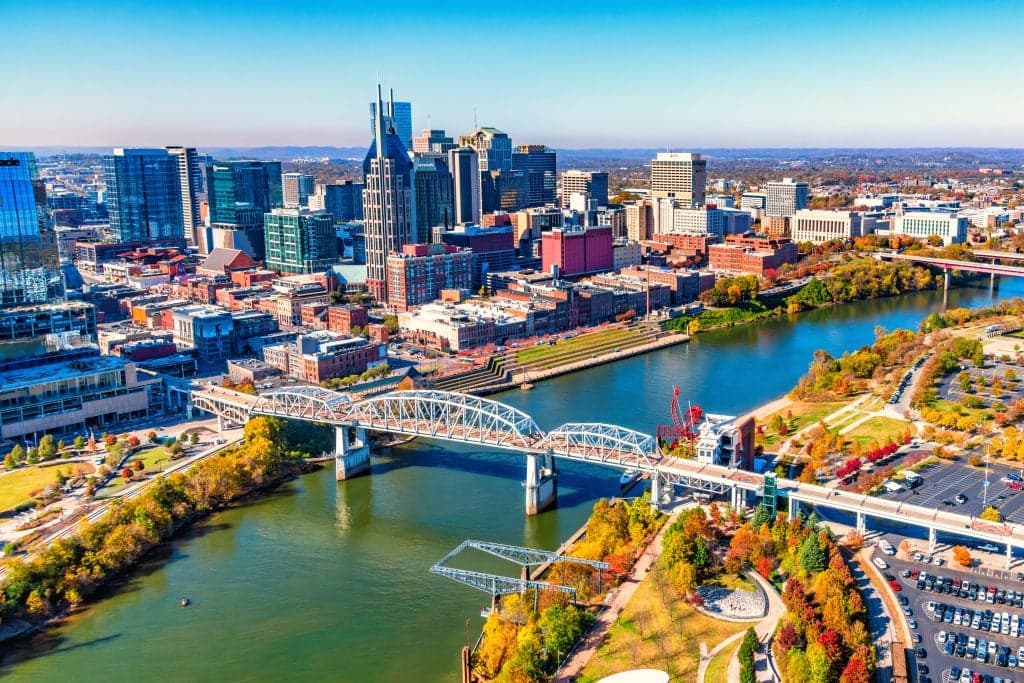 Cities like Nashville have transformed their economies to attract visitors with experiences and destination attractions.
Impact on Suburban Growth
While remote work has shifted some people to suburbs, urban centers still host double the visitors compared to workers. Cities like Philadelphia and San Diego are converting empty offices into residences, but this does not fully compensate for the lost economic activity.
Housing Affordability Crisis
Despite initial rent decreases during the pandemic, the U.S. faces a housing crisis due to a misalignment between market supply and demand. Remote work has encouraged some market displacement from expensive cities to more affordable ones, yet the core issue remains.
Sustainability Considerations
The impact of remote work on sustainability is complex. While it reduces commuting, it does not address the rising emissions from other travel. The focus should be on housing choices and their broader impacts on urban environments.
The Commercial Office Crisis
With office vacancies at a record high, cities reliant on commercial property taxes are facing economic challenges. Some buildings are becoming functionally obsolete, prompting discussions about conversions to residential uses.
Encouraging a Dynamic Urban Life
Local governments are now focusing on enhancing the employee experience rather than solely attracting businesses. Place-based organizations are emerging to foster community engagement and improve urban life.
These insights highlight the evolving landscape of urban planning in the context of remote work and the necessity for cities to adapt to these changes.
- #urbanplanning
- #remotework
- #economicrecovery
- #housingcrisis
- #officespaces
Comments · 0
No comments yet
Be the first to share your thoughts and start the conversation.