

The Torres Strait is home to a growing initiative that combines environmental stewardship with job creation. Crystal Ailan, an Indigenous-owned and operated company based on Badu Island, is leveraging the federal government's Remote Jobs and Economic Development Program (RJED) to bring new employment opportunities to the community.
A Program with a Mission
The RJED, which replaced the previous Community Development Program, aims to expand the number of remote jobs to 6,000 by 2030. Following the third round of grants, the government has approved 3,000 positions, marking significant progress toward this goal.
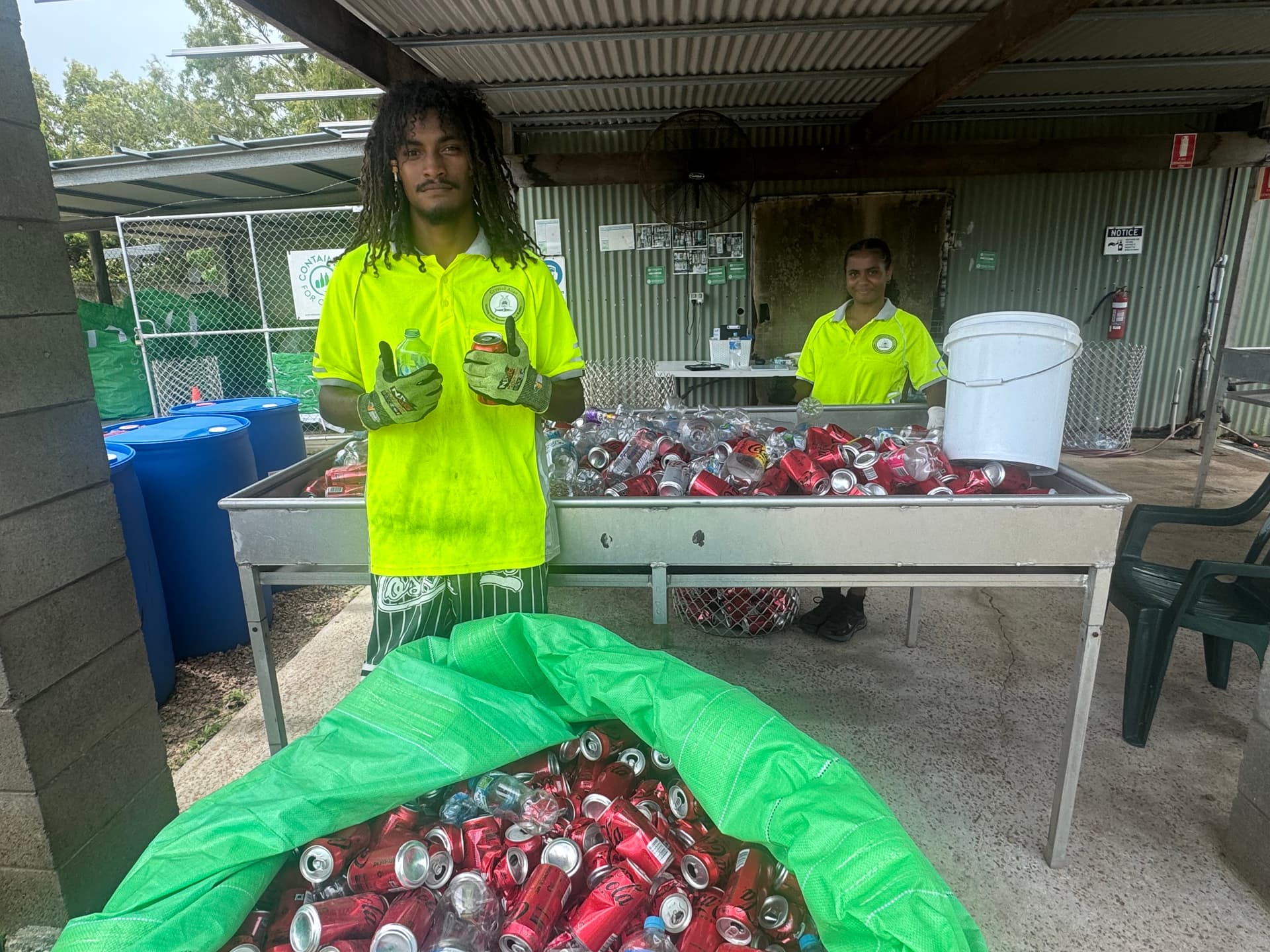
For Crystal Ailan, the program has translated into five new roles, with four already filled. The company, founded by Edmund Tamwoy, operates across diverse fields including plastic collection and recycling, environmental management, remanufacturing, product innovation, project development, and community engagement.
New Hires, New Hope
Community members Sofia Nona, Walter Paii, and Yungarra Stow have joined the team as part of an expanded waste management service for Badu Island. Their work ensures that everyone can enjoy the island's tranquil surroundings, waste-free.
"I enjoy learning, getting to know the other co-workers that I've started working with," shared Sofia. "Having a job here has been good; it gives me something to look forward to." She also plans to travel to Brisbane for further training, hoping to learn about websites and AI to improve the business.
Walter echoed this sentiment, expressing excitement about helping the island: "I feel excited about working here because I can clean up the environment and our community."
Sustainable Growth and Future Prospects
The government emphasizes that the RJED is designed to support sustainable job creation in remote communities by providing long-term assistance to both employees and employers. A Community Jobs and Business Fund further supports capacity building through mentoring and supervision.
In the May Budget, funding for the program was doubled to $299 million over five years. The third funding round—the largest in the program's history—saw about 85% of successful employers being First Nations organisations, with job opportunities spanning hospitality, retail, conservation, renewable energy, youth services, and construction, offered as full-time, part-time, or casual roles.
A fourth round of grants is expected later this financial year, promising even more opportunities for remote communities.


Comments
No comments yet
Be the first to share your thoughts and start the conversation!